Friday, 15 September 2023

How to Choose the Right Camper Van for Your Needs


Are you dreaming of hitting the road in a camper van? Whether you want to explore new places, enjoy nature, or live a more minimalist lifestyle, a camper van can offer you many advantages. But how do you choose the right camper van for your needs? There are so many options available, from DIY conversions to luxury models, that it can be overwhelming to decide. That’s why we created this course to help you find the perfect camper van for you. In this course, you will learn:

  • What is a camper van and what are the different types of camper vans
  • The benefits of owning a camper van and who should buy one
  • How to consider your needs and budget when looking for a camper van
  • How to research camper vans for sale and what to look for when inspecting them
  • How to finance a camper van and negotiate the best interest rate
  • How to maintain your camper van and keep it in good condition

By the end of this course, you will have a clear idea of what kind of camper van suits your lifestyle and budget. You will also have the skills and knowledge to find, buy, and maintain your camper van. So, let’s get started!

Introduction to Camper Vans

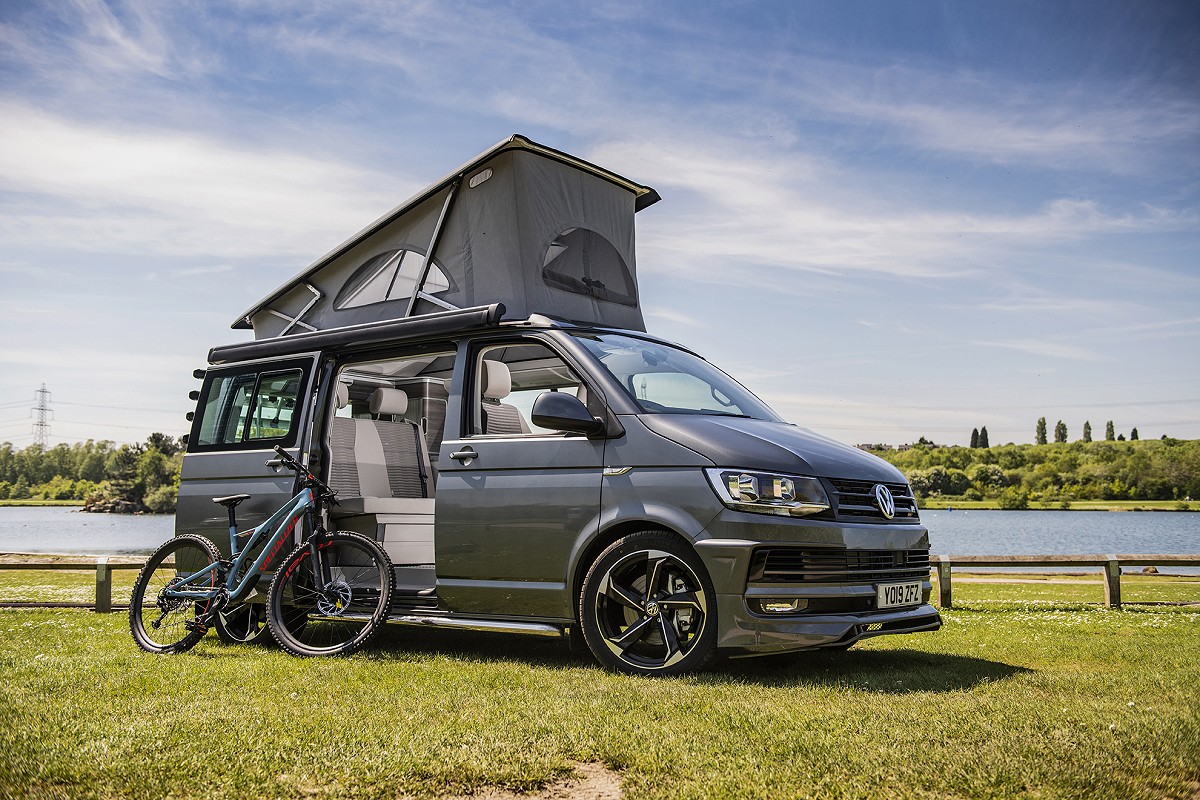
What is a camper van? A camper van is a vehicle that has been modified or designed to provide living space and amenities for traveling and camping. Camper vans are also known as motorhomes, RVs, or caravans in different parts of the world. Camper vans vary in size, shape, and features, but they usually have some basic elements such as:

  • A bed or sleeping area
  • A kitchen or cooking area
  • A bathroom or toilet
  • A seating or dining area
  • A storage or cargo area

Some camper vans may also have additional features such as:

  • A solar panel or generator for electricity
  • A heater or air conditioner for climate control
  • A fridge or freezer for food storage
  • A shower or sink for water supply
  • A TV or stereo for entertainment

The different types of camper vans. There are many types of camper vans available, depending on your preferences and needs. Some of the most common types are:

  • Class B. These are the smallest and most basic type of camper vans. They are usually based on a standard van chassis and have minimal modifications. They are easy to drive and park, but they have limited space and amenities. They are ideal for solo travelers or couples who want a simple and affordable option.
  • Class C. These are larger and more comfortable than class B camper vans. They are usually based on a truck or bus chassis and have a cab-over section that extends over the driver’s seat. They have more space and amenities than class B camper vans, but they are also more expensive and harder to maneuver. They are ideal for families or groups who want more room and comfort.
  • Class A. These are the largest and most luxurious type of camper vans. They are usually custom-built on a specially designed chassis and have a bus-like appearance. They have the most space and amenities than any other type of camper vans, but they are also the most expensive and difficult to drive. They are ideal for people who want to live full-time in their camper van or travel in style.
  • Conversion. These are camper vans that have been converted from other vehicles such as cargo vans, school buses, ambulances, or even boats. They have unique designs and features that reflect the personality and creativity of their owners. They can range from simple and cheap to elaborate and costly, depending on the level of modification. They are ideal for people who want to customize their camper van according to their needs and tastes.

The benefits of owning a camper van. There are many benefits of owning a camper van, such as:

  • Freedom. You can go wherever you want, whenever you want, without worrying about booking flights, hotels, or tours. You can also change your plans anytime according to your mood or the weather.
  • Adventure. You can explore new places, meet new people, and try new things that you wouldn’t otherwise experience in a conventional vacation.
  • Nature. You can enjoy the beauty and tranquility of nature by camping in scenic locations such as national parks, forests, lakes, or beaches.
  • Savings. You can save money by avoiding expensive travel costs such as airfare, accommodation, food, or entertainment.
  • Simplicity. You can live a more minimalist lifestyle by reducing your possessions, expenses, and stress.

Who should buy a camper van? Anyone who loves traveling, camping, or living on the road should consider buying a camper van. However, owning a camper van is not for everyone. It requires a lot of commitment, responsibility, and adaptation. You should buy a camper van only if you are:

  • Flexible. You can cope with unexpected situations such as breakdowns, bad weather, or traffic jams.
  • Resourceful. You can find solutions to problems such as finding a place to park, refill, or dump your camper van.
  • Independent. You can take care of yourself and your camper van without relying on others for help or support.
  • Curious. You can appreciate the diversity and richness of different cultures, landscapes, and lifestyles.

Considering Your Needs and Budget

How much money can you afford to spend on a camper van? One of the most important factors to consider when choosing a camper van is your budget. The price of a camper van depends on many factors such as:

  • The type and size of the camper van
  • The age and condition of the camper van
  • The features and amenities of the camper van
  • The location and availability of the camper van

The price of a camper van can range from a few thousand dollars to hundreds of thousands of dollars, depending on these factors. For example, a new class A camper van can cost over $200,000, while a used class B camper van can cost less than $10,000. A conversion camper van can cost anywhere from $5,000 to $50,000, depending on the quality and extent of the conversion.

Before you start looking for a camper van for sale, you should determine how much money you can afford to spend on it. You should consider not only the initial purchase price, but also the ongoing costs of owning a camper van, such as:

  • Fuel
  • Insurance
  • Registration
  • Maintenance
  • Repairs
  • Parking
  • Camping fees

You should also factor in your income and expenses, as well as your savings and debts. You should have a realistic and sustainable budget that allows you to enjoy your camper van without compromising your financial security.

What features are important to you? Another factor to consider when choosing a camper van is your personal preferences and needs. You should think about what features are important to you in a camper van, such as:

  • Bed size. How big do you want your bed to be? Do you prefer a fixed or convertible bed? Do you need extra sleeping space for guests or children?
  • Kitchen amenities. How often do you plan to cook in your camper van? Do you need a stove, oven, microwave, fridge, freezer, sink, or dishwasher?
  • Bathroom facilities. How comfortable are you with using public restrooms or showers? Do you need a toilet, shower, sink, or bathtub in your camper van?
  • Storage space. How much stuff do you have or need to bring with you? Do you need cabinets, drawers, closets, or racks in your camper van?
  • Seating or dining area. How many people do you want to accommodate in your camper van? Do you need a sofa, table, chairs, or bench in your camper van?
  • Electricity or water supply. How long do you plan to stay off-grid in your camper van? Do you need a solar panel, generator, battery, or inverter for electricity? Do you need a water tank, pump, filter, or heater for water?
  • Climate control. How hot or cold do you get in your camper van? Do you need a heater, air conditioner, fan, or window for climate control?
  • Entertainment. How much do you value entertainment in your camper van? Do you need a TV, stereo, DVD player, game console, or internet access in your camper van?

You should prioritize the features that are essential for your comfort and convenience in your camper van. You should also be willing to compromise on some features that are less important or that can be added later.

How many people will be using the camper van? Another factor to consider when choosing a camper van is the number of people who will be using it. You should think about how many people will be traveling with you in your camper van regularly or occasionally.

The number of people who will be using the camper van affects the size and layout of the camper van. For example,

  • If you are traveling alone or with one partner, you may prefer a smaller and simpler camper van that is easier to drive and park.
  • If you are traveling with more than two people regularly (such as family members or friends), you may prefer a larger and more spacious camper van that can accommodate more sleeping and seating areas.
  • If you are traveling with more than two people occasionally (such as guests or children), you may prefer a medium-sized and flexible camper van that can convert some areas into extra sleeping or seating spaces.

You should also consider the personality and preferences of the people who will be using the camper van. For example,

  • If you are traveling with someone who likes privacy and quietness (such as an introvert), you may prefer a camper van that has separate rooms or partitions for different areas. If you are traveling with someone who likes socializing and entertainment (such as an extrovert), you may prefer a camper van that has a large and open living area with a TV, stereo, or internet access.

You should choose a camper van that can meet the needs and expectations of the people who will be using it. You should also communicate and compromise with them to ensure a harmonious and enjoyable camper van experience.

What kind of activities do you plan on doing with your camper van? Another factor to consider when choosing a camper van is the kind of activities you plan on doing with it. You should think about what kind of places you want to visit, how long you want to stay, and what kind of challenges you may encounter.

The kind of activities you plan on doing with your camper van affects the performance and durability of the camper van. For example,

  • If you plan to visit urban areas, you may prefer a smaller and more agile camper van that can fit in tight spaces and traffic.
  • If you plan to visit rural areas, you may prefer a larger and more robust camper van that can handle rough roads and terrain.
  • If you plan to visit remote areas, you may prefer a self-contained and off-grid camper van that can provide electricity and water without external sources.

You should also consider the season and weather conditions of the places you want to visit. For example,

  • If you plan to visit cold areas, you may prefer a well-insulated and heated camper van that can keep you warm and prevent freezing.
  • If you plan to visit hot areas, you may prefer a well-ventilated and air-conditioned camper van that can keep you cool and prevent overheating.
  • If you plan to visit rainy areas, you may prefer a water-resistant and leak-proof camper van that can keep you dry and prevent flooding.

You should choose a camper van that can match the activities you plan on doing with it. You should also prepare and equip your camper van accordingly to ensure a safe and comfortable camper van adventure.

 Researching Camper Vans

Where to find camper vans for sale. Once you have decided on your budget, preferences, and needs, you can start looking for camper vans for sale. There are many sources where you can find camper vans for sale, such as:

  • Online platforms. You can browse various websites, apps, or social media groups that list camper vans for sale by owners or dealers. You can filter your search by price, location, type, size, features, or condition. You can also compare different options, read reviews, or contact sellers directly. Some examples of online platforms are:
  • [RV Trader]. This is one of the largest online marketplaces for new and used RVs in the US. You can find thousands of listings from private sellers and dealers across the country.
  • [Camper Van Life]. This is a website dedicated to all things related to camper vans. You can find guides, tips, stories, forums, and classifieds for buying and selling camper vans worldwide.
  • [Van Clan]. This is a social media community for van life enthusiasts. You can find inspiration, advice, news, events, and deals for camper vans on their website, Facebook group, Instagram page, or YouTube channel.
  • Offline sources. You can also look for camper vans for sale in person or through word-of-mouth. You can visit local RV dealerships, shows, or auctions where you can see and inspect different models of camper vans. You can also ask around your friends, family, neighbors, or coworkers who may have or know someone who has a camper van for sale.

How to read camper van reviews. When researching camper vans for sale online or offline, it is important to read reviews from previous owners or experts who have used or tested the camper vans. Reviews can provide valuable information about the quality, performance, reliability, comfort, convenience, or satisfaction of the camper vans. However, not all reviews are trustworthy or helpful. You should be careful when reading reviews and look for:

  • Relevance. You should look for reviews that are relevant to your needs and preferences. For example, If you are looking for a class B camper van, you should look for reviews that focus on class B camper vans rather than other types of RVs.
  • If you are looking for a new camper van, you should look for reviews that are recent rather than outdated.
  • If you are looking for a specific feature in your camper van (such as a shower), you should look for reviews that mention that feature rather than those that do not.


  • Credibility. You should look for reviews that are credible and reliable. For example,,
  • If you are looking for reviews from owners, you should look for reviews that are verified by the platform or provide proof of ownership (such as photos or videos) rather than those that are anonymous or suspicious.
  • If you are looking for reviews from experts, you should look for reviews that are from reputable sources or publications (such as magazines, websites, or blogs) rather than those that are from unknown or biased sources.
  • Balance. You should look for reviews that are balanced and fair. For example, If you are looking for positive reviews, you should also look for negative reviews to get a complete picture of the pros and cons of the camper vans.
  • If you are looking for negative reviews, you should also look for positive reviews to see if there are any redeeming qualities or solutions to the problems of the camper vans.
  • If you are looking for neutral reviews, you should look for reviews that provide both positive and negative aspects of the camper vans without exaggerating or minimizing them.

You should read multiple reviews from different sources and perspectives to get a comprehensive and objective view of the camper vans. You should also use your own judgment and common sense to evaluate the credibility, relevance, and balance of the reviews.

What to look for when inspecting a camper van. When you have found a camper van that meets your criteria and budget, you should inspect it in person before buying it. Inspecting a camper van can help you verify its condition, functionality, and value. You should look for:

  • Exterior. You should check the exterior of the camper van for any signs of damage, rust, leaks, cracks, dents, scratches, or paint issues. You should also check the tires, wheels, brakes, lights, mirrors, windows, doors, locks, awnings, ladders, or hitches for any defects or wear and tear. You should also test drive the camper van to see how it handles on the road and how it performs in terms of speed, acceleration, steering, braking, suspension, noise, or vibration.
  • Interior. You should check the interior of the camper van for any signs of damage, mold, stains, odors, leaks, cracks, tears, or holes. You should also check the bed, sofa, table, chairs, cabinets, drawers, closets, or racks for any broken or missing parts or pieces. You should also test the kitchen appliances (such as stove, oven, microwave), bathroom facilities (such as toilet, shower), electrical systems (such as lights, outlets), water systems (such as faucets), heating and cooling systems (such as heater, air conditioner), or entertainment systems (such as TV, stereo) for any malfunctions or issues. You should also check the cleanliness and hygiene of the camper van and see if it needs any cleaning or sanitizing.
  • You should inspect the camper van thoroughly and carefully, and ask the seller any questions you may have about its history, maintenance, or warranty. You should also take pictures or videos of the camper van as evidence of its condition and value. You should also bring a mechanic or an expert with you if possible to help you inspect the camper van more professionally and accurately.

Financing a Camper Van

Different types of camper van loans. After you have inspected and chosen a camper van that you want to buy, you need to figure out how to pay for it. Unless you have enough cash to buy the camper van outright, you will need to get a loan to finance your purchase. There are different types of loans that you can apply for, depending on your situation and preferences. Some of the most common types are:

  • Personal loan. This is a type of loan that you can use for any personal purpose, including buying a camper van. You can get a personal loan from a bank, credit union, online lender, or peer-to-peer platform. The advantages of a personal loan are that it is flexible, easy to apply for, and does not require collateral. The disadvantages are that it may have higher interest rates, shorter repayment terms, and stricter credit requirements than other types of loans.
  • RV loan. This is a type of loan that is specifically designed for buying recreational vehicles, such as camper vans. You can get an RV loan from a bank, credit union, online lender, or RV dealer. The advantages of an RV loan are that it may have lower interest rates, longer repayment terms, and more lenient credit requirements than a personal loan. The disadvantages are that it may require collateral, such as the camper van itself, and that it may have more fees and restrictions than a personal loan.
  • Home equity loan. This is a type of loan that allows you to borrow against the equity of your home, which is the difference between the value of your home and the amount you owe on your mortgage. You can get a home equity loan from a bank, credit union, or online lender. The advantages of a home equity loan are that it may have lower interest rates and longer repayment terms than a personal loan or an RV loan. The disadvantages are that it requires collateral, such as your home, and that it may put your home at risk if you fail to repay the loan.

How to qualify for a camper van loan. To qualify for a camper van loan, you will need to meet certain criteria and provide certain documents to the lender. The criteria and documents may vary depending on the type of loan and the lender, but some of the most common ones are:

  • Credit score. This is a numerical representation of your credit history and creditworthiness. It ranges from 300 to 850, with higher scores indicating better credit. Your credit score affects your chances of getting approved for a loan and the interest rate you will be offered. Generally, you will need a credit score of at least 600 to qualify for a personal loan or an RV loan, and at least 620 to qualify for a home equity loan.
  • Income. This is the amount of money you earn from your job or other sources on a regular basis. Your income affects your ability to repay the loan and the amount you can borrow. Generally, you will need to have a stable and sufficient income that covers your monthly expenses and debt payments, as well as the monthly payments for the camper van loan.
  • Debt-to-income ratio. This is the percentage of your monthly income that goes toward paying your debts, such as mortgages, car loans, credit cards, or student loans. Your debt-to-income ratio affects your financial health and risk level as a borrower. Generally, you will need to have a debt-to-income ratio of less than 50% to qualify for a camper van loan.
  • Down payment. This is the amount of money you pay upfront when buying a camper van. Your down payment affects your loan-to-value ratio, which is the percentage of the camper van’s value that you borrow from the lender. Generally, you will need to have a down payment of at least 10% to 20% of the camper van’s price to qualify for a camper van loan.
  • Proof of identity. This is a document that verifies your identity and legal status in the country where you are applying for the loan. You will need to provide a valid driver’s license, passport, or other government-issued ID to the lender.
  • Proof of income. This is a document that verifies your income and employment status. You will need to provide pay stubs, You will need to provide pay stubs, tax returns, bank statements, or other proof of income to the lender.
  • Proof of insurance. This is a document that verifies that you have adequate insurance coverage for your camper van. You will need to provide an insurance policy, declaration page, or proof of payment to the lender.

You should prepare and gather these documents before applying for a camper van loan to speed up the process and increase your chances of getting approved.

How to negotiate the best interest rate on a camper van loan. The interest rate is the percentage of the loan amount that you pay to the lender as a fee for borrowing money. The interest rate affects the total cost of your camper van loan and the amount of your monthly payments. The lower the interest rate, the less you pay in interest and the more you save in the long run. Therefore, you should try to negotiate the best interest rate possible on your camper van loan. Here are some tips on how to do that:

  • Shop around. You should compare different lenders and their offers before settling for one. You can use online tools, such as [RV Loan Calculator], to estimate how much you can borrow, how much you will pay in interest, and how long it will take you to repay the loan based on different interest rates. You can also use online platforms, such as [LendingTree] or [Bankrate], to get multiple quotes from different lenders and see which one offers you the best deal.
  • Improve your credit. You should improve your credit score and history before applying for a camper van loan. You can do this by paying your bills on time, reducing your debt, correcting any errors on your credit report, or using a credit builder loan or card. A higher credit score and a better credit history can help you qualify for a lower interest rate and save money on your camper van loan.
  • Make a large down payment. You should make a large down payment when buying a camper van. A large down payment can reduce your loan-to-value ratio, which is the percentage of the camper van’s value that you borrow from the lender. A lower loan-to-value ratio can help you get a lower interest rate and save money on your camper van loan.
  • Shorten your loan term. You should shorten your loan term when borrowing money for a camper van. A shorter loan term means that you will pay off your loan faster and pay less interest overall. However, a shorter loan term also means that you will have higher monthly payments, so you should make sure that you can afford them.

  • Ask for discounts. You should ask for discounts or incentives from the lender when applying for a camper van loan. Some lenders may offer discounts or incentives if you meet certain criteria or conditions, such as:
  • Having a good relationship with the lender
  • Having an existing account with the lender
  • Having a good driving record
  • Buying a new or certified pre-owned camper van
  • Buying from an affiliated dealer
  • Enrolling in automatic payments
  • Refinancing an existing loan

You should ask the lender what discounts or incentives they offer and how you can qualify for them.

You should negotiate the best interest rate possible on your camper van loan by following these tips and using your leverage as a buyer. You should also be prepared to walk away if you are not satisfied with the offer or if you find a better deal elsewhere.

Camper Van Maintenance

How to keep your camper van in good condition. After you have bought your camper van and started using it, you need to keep it in good condition to ensure its safety, performance, and longevity. Keeping your camper van in good condition can also help you avoid costly repairs and breakdowns in the future. Here are some tips on how to keep your camper van in good condition:

  • Follow the manufacturer’s recommendations. You should follow the manufacturer’s recommendations for servicing and maintaining your camper van. You can find these recommendations in the owner’s manual or online. You should also keep records of all the service and maintenance work done on your camper van.
  • Check the fluids. You should check the fluids in your camper van regularly and top them up or change them as needed. The fluids include oil, coolant, brake fluid, transmission fluid, power steering fluid, windshield washer fluid, and propane gas. You should also check for any leaks or signs of contamination in the fluids.
  • Check the tires. You should check the tires in your camper van regularly and inflate them to the proper pressure level according to the manufacturer’s specifications. You should also check for any wear, tear, cracks, bulges, or punctures in the tires and replace them if necessary.
  • Check the batteries. You should check the batteries in your camper van regularly and charge them fully before using them. You should also check for any corrosion, damage, or loose connections in the batteries and clean or tighten them if necessary.
  • Check the appliances. You should check the appliances in your camper van regularly and make sure they are working properly and safely. The appliances include the stove, oven, microwave, fridge, freezer, heater, air conditioner, water heater, water pump, and generator. You should also clean and sanitize the appliances regularly to prevent mold, bacteria, or odors from building up.
  • Check the systems. You should check the systems in your camper van regularly and make sure they are functioning properly and safely. The systems include the electrical system, the water system, the heating and cooling system, the entertainment system, and the security system. You should also check for any faults, errors, or warnings in the systems and fix them if necessary.

You should keep your camper van in good condition by following these tips and performing regular inspections and maintenance on your camper van. You should also seek professional help if you encounter any problems or issues that you cannot handle yourself.

What to do if something breaks on your camper van. Even if you keep your camper van in good condition, you may still experience some problems or issues with your camper van from time to time. These problems or issues may be minor or major, depending on their nature and severity. Here are some tips on what to do if something breaks on your camper van:

  • Identify the problem. You should try to identify the problem as soon as possible and determine its cause and effect. You can use the owner’s manual, online resources, or diagnostic tools to help you identify the problem. You should also assess the urgency and importance of the problem and decide whether you need to fix it immediately or later.
  • Fix the problem. You should try to fix the problem yourself if you have the skills, tools, and materials to do so. You can use the owner’s manual, online resources, or instructional videos to guide you through the process. You should also follow safety precautions and wear protective gear when fixing the problem. However, if you do not have the skills, tools, or materials to fix the problem yourself, or if the problem is too complex or dangerous to handle yourself, you should seek professional help from a mechanic or a technician.
  • Prevent the problem. You should try to prevent the problem from happening again in the future by taking preventive measures and making improvements. You can use the owner’s manual, online resources, or expert advice to help you prevent the problem. You should also learn from your experience and avoid making the same mistakes or errors that caused the problem.

You should follow these tips and act accordingly if something breaks on your camper van. You should also be prepared for any emergencies or contingencies that may arise from your camper van problems.

Conclusion

Summary of key points. In this course, you have learned how to choose the right camper van for your needs. You have learned:

  • What is a camper van and what are the different types of camper vans
  • The benefits of owning a camper van and who should buy one
  • How to consider your needs and budget when looking for a camper van
  • How to research camper vans for sale and what to look for when inspecting them
  • How to finance a camper van and negotiate the best interest rate
  • How to maintain your camper van and keep it in good condition
  • What to do if something breaks on your camper van

By following these steps and tips, you can find, buy, and enjoy your perfect camper van.


Sunday, 10 September 2023

Discover the Best RV Camping Spots Near You: From National Parks to Beachfront Bliss!


Are you an avid RV enthusiast looking for the ultimate camping adventure? Whether you're a nature lover, a beach bum, or a thrill-seeker, RV camping opens up a world of possibilities for unforgettable experiences. From the breathtaking beauty of national parks to the serene tranquility of beachfront bliss, there are countless RV camping spots waiting to be discovered near you.


But why is finding the best RV camping spot so important? Well, imagine waking up to a stunning sunrise over a majestic mountain range or falling asleep to the soothing sound of waves crashing on the shore. The right camping spot can make all the difference in creating a memorable and rejuvenating vacation.

In this blog post, we will guide you through the process of finding the perfect RV camping spot. We'll explore the key factors to consider when choosing a location, highlight popular camping spots near you, and provide valuable tips for planning and preparation. Whether you're a seasoned RV traveler or embarking on your first adventure, this guide is designed to help you make the most out of your camping experience.

So, get ready to embark on a virtual journey as we take you through some of the most breathtaking RV camping spots in the country. From the iconic Yosemite National Park in California to the wild beauty of Assateague Island National Seashore in Maryland/Virginia, we've got you covered. Plus, we'll share tips and resources to help you find hidden gems and plan your RV camping trips with ease.

So, buckle up, grab your favorite travel mug, and let's hit the road to discover the best RV camping spots near you! Don't forget to share your own favorite spots in the comments below – we'd love to hear about your adventures too!

Factors to Consider When Choosing RV Camping Spots

When it comes to choosing the perfect RV camping spot, there are several key factors that you should take into consideration. These factors will ensure that you have a comfortable and enjoyable camping experience. Let's delve into each factor in detail:

Location

The first factor to consider when selecting an RV camping spot is the location. Different people have different preferences when it comes to the distance they are willing to travel from home. Some may prefer a nearby camping spot to minimize travel time, while others might be willing to venture further for a truly remarkable destination.

Additionally, the scenic surroundings of the camping spot play a crucial role in creating a memorable experience. Imagine waking up every morning to breathtaking mountain views or being surrounded by lush forests and vibrant wildlife. The beauty of the natural surroundings can greatly enhance your camping adventure.

Another important aspect of location is the accessibility to amenities. While RV camping allows you to enjoy the great outdoors, having access to basic facilities such as grocery stores, gas stations, and medical services is essential for a comfortable stay. So, it's important to choose a camping spot that offers convenience without compromising on natural beauty.

Campsite Facilities

Once you've narrowed down the location, it's time to consider the facilities offered at the campsite. One of the most crucial factors to consider is the availability of full hookups. These include water, electricity, and sewer connections, allowing you to have all the comforts of home while on the road. Full hookups are particularly important if you plan on an extended stay or if you have specific power requirements for your RV.

Furthermore, the size and levelness of the campsite are also important considerations. A spacious and level campsite will not only provide ample room for your RV, but it will also make setup and maneuvering much easier. Additionally, look for campsites that offer amenities such as picnic tables, fire pits, and grills. These amenities can enhance your camping experience by providing opportunities for outdoor cooking and relaxation.

Recreational Opportunities

One of the main reasons people choose RV camping is to enjoy outdoor activities and connect with nature. Therefore, it's essential to consider the recreational opportunities available near the camping spot. Look for campsites that offer access to hiking trails, where you can explore the surrounding wilderness and enjoy breathtaking views. Fishing and boating opportunities are also popular recreational activities, so if you're a fishing enthusiast or love spending time on the water, choose a camping spot near lakes, rivers, or the ocean.

For those who enjoy biking, look for campsites that have nearby bike paths or offer bike rentals. Exploring the area on two wheels can be a fun and adventurous way to experience the surroundings. Additionally, consider other activities such as birdwatching, wildlife spotting, or even stargazing if you're into astronomy. The more recreational opportunities available, the more varied and exciting your camping experience will be.

Popular RV Camping Spots Near Me

Now that we have discussed the important factors to consider when choosing an RV camping spot, let's explore some of the popular camping spots near you that are worth considering for your next adventure. These spots offer a range of stunning landscapes, diverse recreational activities, and unique experiences that will make your RV camping trip truly memorable.

1. Yosemite National Park, California

Located in the heart of California's Sierra Nevada mountains, Yosemite National Park is a paradise for outdoor enthusiasts and nature lovers alike. With its towering granite cliffs, majestic waterfalls, and ancient sequoia groves, Yosemite offers a breathtaking backdrop for RV camping.

Within the park, there are several campgrounds that cater to RVs of various sizes. Upper Pines, Lower Pines, and North Pines campgrounds are popular choices, offering stunning views and convenient access to hiking trails, waterfalls, and iconic landmarks like Half Dome and Glacier Point. It's important to note that reservations are highly recommended, as these campgrounds fill up quickly, especially during the peak summer season.

2. Great Smoky Mountains National Park, Tennessee

Nestled between Tennessee and North Carolina, the Great Smoky Mountains National Park is a haven for nature enthusiasts. Known for its mist-covered mountains, lush forests, and diverse wildlife, it is one of the most visited national parks in the United States.

Within the park, there are several campgrounds that accommodate RVs, including Cades Cove, Elkmont, and Smokemont. These campgrounds offer stunning views of the surrounding mountains and provide access to a variety of hiking trails, waterfalls, and historic sites. Keep in mind that some campgrounds operate on a first-come, first-served basis, while others require reservations, so it's best to plan ahead.


3. Glacier National Park, Montana

For those seeking awe-inspiring natural beauty and rugged wilderness, Glacier National Park in Montana is a must-visit destination. With its snow-capped peaks, glacial lakes, and pristine forests, the park offers endless opportunities for outdoor exploration and adventure.

Within the park, you'll find campgrounds that cater to RVs, such as Apgar, Many Glacier, and St. Mary. These campgrounds provide stunning views of the mountains and give you easy access to hiking trails, scenic drives, and wildlife viewing opportunities. Due to the park's popularity, it is highly recommended to make reservations well in advance, especially during the summer months.

4. Assateague Island National Seashore, Maryland/Virginia

If you're looking for a unique RV camping experience, Assateague Island National Seashore on the East Coast is the perfect destination. This barrier island, shared by Maryland and Virginia, is known for its pristine beaches, wild horses, and abundant birdlife.

Camping on Assateague Island allows you to wake up to the sound of crashing waves and witness stunning sunsets over the Atlantic Ocean. The island offers campsites with direct access to the beach, allowing you to enjoy swimming, sunbathing, and beachcombing right outside your RV. It's important to note that camping on the island requires a reservation, as it is a highly sought-after destination.

5. Moab, Utah

For adventure seekers and outdoor enthusiasts, Moab in Utah is a playground of opportunities. Surrounded by stunning red rock landscapes and home to two iconic national parks, Arches and Canyonlands, Moab offers a unique blend of natural beauty and thrilling recreational activities.

There are several campgrounds in and around Moab that cater to RVs, such as Devil's Garden Campground in Arches National Park and Willow Springs in Canyonlands National Park. These campgrounds provide easy access to world-famous hiking trails, breathtaking arches, and mesmerizing canyon vistas. Additionally, the area offers thrilling off-road trails for those who enjoy off-roading and mountain biking.

These are just a few examples of the incredible RV camping spots near you. Each of these destinations offers a unique experience, allowing you to immerse yourself in nature's beauty and create lasting memories. Remember to plan ahead, make reservations when necessary, and prepare for a truly remarkable RV camping adventure.

Tips for Finding RV Camping Spots Near You

Finding the perfect RV camping spot near you may seem like a daunting task, especially with so many options available. However, with the right resources and some insider tips, you can easily discover hidden gems and plan your camping trips with confidence. Here are some valuable tips to help you find the best RV camping spots near you:

1. Online Resources

The internet is a treasure trove of information when it comes to finding RV camping spots. There are several online resources that can provide valuable insights and help you narrow down your options. One of the best places to start is the official website of the National Park Service. They provide detailed information about campgrounds within national parks, including amenities, reservation options, and any restrictions or regulations.

In addition to the National Park Service website, there are various campground review websites that offer user-generated reviews and ratings. Websites such as Campendium, RV Park Reviews, and TripAdvisor can give you a glimpse into the experiences of fellow RV campers. These reviews can provide valuable insights into the quality of the campsites, facilities, and overall camping experience.

Don't forget to leverage the power of RV camping apps as well. Apps like AllStays, RV Parks & Campgrounds, and Campground Navigator can help you locate campgrounds near you, provide detailed information about amenities and services, and even offer real-time availability and reservation options. These apps are a convenient way to plan your RV camping trips on the go.

2. Local Recommendations

Sometimes, the best recommendations come from those who know the area best – the locals. Connecting with local RV clubs, forums, and Facebook groups can provide you with insider tips and recommendations for hidden RV camping spots near you. These communities are often filled with experienced RV travelers who are more than happy to share their favorite camping spots and offer valuable advice.

Another great resource for local recommendations is the tourism offices and visitor centers in the area. These organizations are dedicated to promoting tourism and can provide you with up-to-date information about RV camping spots, including any special events or attractions happening nearby. Stop by or give them a call to get insider tips and recommendations from the locals themselves.

Lastly, word-of-mouth recommendations from fellow RV enthusiasts can be a valuable source of information. Talk to your friends, family, and colleagues who have RV camping experience and ask them about their favorite spots near you. Personal recommendations often come with detailed insights and firsthand experiences that can help you make informed decisions.

3. Planning and Preparation

Proper planning and preparation are key to finding the best RV camping spots near you. Here are some tips to ensure a smooth and enjoyable camping experience:

  • Research seasonal variations: Different camping spots have different peak seasons and weather conditions. Researching the seasonal variations will help you choose the best time to visit and ensure that the weather is suitable for your preferred activities.

  • Make reservations in advance: Popular RV camping spots often fill up quickly, especially during holidays and peak seasons. To secure your spot, it is advisable to make reservations well in advance. This will give you peace of mind and ensure that you have a place to park your RV.

  • Pack essential RV camping gear: Before heading out on your camping trip, make sure to pack all the essential gear and supplies you'll need. This includes items such as camping chairs, outdoor cooking equipment, bedding, toiletries, and any specific gear for activities such as hiking, fishing, or biking.

By following these tips, you can maximize your chances of finding the best RV camping spots near you and ensure a memorable and enjoyable camping experience.

Effective Communication and Order Management

In any RV camping trip, effective communication and order management are key to ensuring a smooth and enjoyable experience. From coordinating with your travel companions to managing your supplies and daily routines, here are some essential tips to help you stay organized and maintain clear communication during your RV camping adventures.

1. Establish a Communication Plan

Before embarking on your RV camping trip, it's important to establish a communication plan with your travel companions. Determine the best way to stay connected, whether it's through walkie-talkies, cell phones, or a combination of both. Make sure everyone knows how to use the chosen communication devices and establish a designated channel or frequency for communication.

It's also a good idea to establish meeting points or landmarks within the campground in case you get separated or need to regroup. This way, if someone goes off exploring or if you decide to engage in different activities, you can easily find each other when needed.

2. Create a Daily Schedule and Assign Responsibilities

Creating a daily schedule and assigning responsibilities can help streamline your camping routine and ensure that tasks are divided among your travel companions. Plan out activities, meals, and rest periods, taking into consideration the preferences and interests of everyone in your group.

Assigning responsibilities such as meal preparation, dishwashing, and campsite cleanup can help distribute the workload and ensure that everyone contributes to the overall camping experience. This will also prevent any confusion or misunderstandings about who is responsible for specific tasks.

3. Maintain a Well-Stocked Supply Inventory

Keeping track of your supplies and maintaining a well-stocked inventory is essential for a successful RV camping trip. Create a checklist of essential items such as food, toiletries, camping gear, and any specific equipment needed for activities like hiking or fishing.

Regularly check your inventory and restock as needed to avoid running out of essential items during your trip. This will help you avoid unnecessary trips to the store and ensure that you have everything you need to enjoy your camping experience to the fullest.

4. Utilize Storage and Organization Solutions

Effective storage and organization solutions can make a world of difference in keeping your RV neat and clutter-free. Utilize storage compartments, bins, and organizers to keep your belongings neatly arranged and easily accessible. This will not only save you time when searching for items but also create a more comfortable living space inside your RV.

Consider utilizing space-saving solutions such as collapsible containers, hanging organizers, and vacuum-sealed bags to optimize your storage capacity. This will allow you to bring along all the necessary supplies without compromising on space or creating unnecessary clutter.

5. Practice Good Campground Etiquette

Respecting your fellow campers and adhering to campground etiquette is essential for a harmonious and enjoyable camping experience. Be mindful of noise levels, especially during quiet hours, and avoid excessive use of generators and loud music that may disturb others.

Dispose of trash properly and follow any recycling guidelines provided by the campground. Keep your campsite clean and leave it in the same condition as you found it, ensuring that the next campers can enjoy the same pristine environment.

By implementing these tips for effective communication and order management, you can enhance your RV camping experience and ensure a stress-free and enjoyable trip for everyone involved. Good communication and organization will not only make your camping adventure more efficient but also create lasting memories and strengthen the bonds with your travel companions.

Conclusion

Congratulations! You've now learned about the important factors to consider when choosing RV camping spots, explored popular camping spots near you, and discovered valuable tips for finding the best RV camping spots. By taking into account location, campsite facilities, recreational opportunities, and utilizing online resources and local recommendations, you can embark on unforgettable RV camping adventures.

Remember, the key to a successful RV camping experience lies in proper planning, effective communication, and maintaining order. Establishing a communication plan, creating a daily schedule, and assigning responsibilities will help keep everyone organized and ensure a smooth camping routine. Additionally, maintaining a well-stocked supply inventory and utilizing storage and organization solutions will contribute to a comfortable and clutter-free living space inside your RV.

As you venture out to explore RV camping spots near you, always practice good campground etiquette. Be respectful of other campers, follow campground rules, and leave the campsite in the same condition as you found it. By being mindful of noise levels, properly disposing of trash, and respecting the natural environment, you contribute to a positive camping experience for everyone.

Now it's time for you to hit the road and discover the RV camping spots that await you. Whether you choose to explore the stunning landscapes of Yosemite National Park, immerse yourself in the beauty of the Great Smoky Mountains, or experience the unique tranquility of Assateague Island, each destination offers its own charm and adventure.

So, pack your bags, gather your loved ones, and embark on your next RV camping journey. Remember to savor the breathtaking views, embrace the serenity of nature, and create unforgettable memories along the way. Happy RV camping!


Saturday, 9 September 2023

Unleash Your Wanderlust: Discover the Ultimate RV Campgrounds and Plan Your Perfect Adventure

Are you ready to unleash your wanderlust and embark on the ultimate adventure? Imagine waking up to breathtaking natural landscapes, exploring new destinations, and experiencing the freedom of the open road. If this sounds like your dream getaway, then RV camping might just be the perfect option for you.

In this blog post, we will delve into the world of RV campgrounds and guide you in planning your perfect adventure. Whether you're a seasoned RVer or new to the world of recreational vehicles, this comprehensive guide will provide you with all the information you need to make your trip unforgettable.


Section 1: Introduction to RV Campgrounds

1.1 What are RV Campgrounds?

Firstly, let's start with the basics. RV campgrounds are designated areas where RV enthusiasts can park their vehicles and enjoy a range of amenities and facilities. These campgrounds come in various types, including public, private, national parks, state parks, and more. Each type offers its own unique experience, catering to different preferences and needs.

One of the greatest advantages of staying at RV campgrounds is the sense of community and camaraderie among fellow RVers. It's a fantastic opportunity to connect with like-minded individuals, share stories, and create lasting memories.

1.2 Popular RV Campgrounds in the United States

The United States is home to some of the most breathtaking RV campgrounds in the world. From coast to coast, you'll find a multitude of options that cater to every type of traveler. In this section, we'll highlight a selection of well-known RV campgrounds across the country, showcasing their key features, amenities, and nearby attractions.

For example, Yosemite Pines RV Resort in California offers stunning scenery, a variety of campsite options, and amenities such as hookups, showers, and Wi-Fi. Plus, it's located near the iconic Yosemite National Park, providing endless opportunities for outdoor adventures like hiking, fishing, and swimming.

Section 2: Choosing the Right RV Campground

Now that you're familiar with the concept of RV campgrounds, it's time to dive into the process of selecting the perfect one for your trip. In this section, we'll explore the factors to consider and offer tips for researching and comparing different campgrounds.

2.1 Factors to Consider

Location, amenities, campsite availability, suitability for your RV size, pet-friendly policies, and cost are just a few factors to consider when choosing an RV campground. We'll delve into each of these aspects and provide guidance on how to prioritize your preferences.

2.2 Researching and Comparing RV Campgrounds

With the abundance of online resources, campground directories, and fellow RVers' reviews, researching and comparing RV campgrounds has never been easier. We'll guide you through the process of utilizing these resources effectively and seeking recommendations from RVing communities and forums.

Section 3: Planning Your RV Camping Trip

Once you've chosen the perfect RV campground, it's time to plan your adventure. In this section, we'll help you set a budget, create an itinerary, and pack all the essentials for a successful trip.

3.1 Setting a Budget

Determining the costs associated with RV camping, including campground fees, fuel, groceries, and activities, is crucial for planning a budget-friendly trip. We'll provide tips on saving money without compromising on the experience.

3.2 Creating an Itinerary

Researching nearby attractions, planning activities for each day, and allowing for flexibility are key factors in creating a memorable itinerary. We'll offer guidance on how to strike the perfect balance between adventure and relaxation.

3.3 Packing Essentials for RV Camping

From RV-specific items like sewer hoses and leveling blocks to camping gear, personal items, and food supplies, we'll provide a comprehensive packing checklist to ensure you're fully prepared for your RV camping journey.

In the next sections, we'll cover tips for setting up your RV campsite, safety and etiquette at RV campgrounds, and making the most of your time there. We'll also provide additional resources for finding RV campgrounds and offer final thoughts to inspire and encourage you to embark on your own RV camping adventure.

So, are you ready to unleash your wanderlust and discover the ultimate RV campgrounds? Let's dive in and plan your perfect adventure!

RV camping is a thrilling and adventurous way to explore the great outdoors. It offers the perfect blend of comfort and convenience, allowing you to travel at your own pace while still enjoying the comforts of home. But to truly make the most of your RV camping experience, choosing the right campground is crucial. With a plethora of options available, it can be overwhelming to decide which one to go for. In this section, we will guide you through the process of selecting the perfect RV campground that suits your preferences and needs.

Location is one of the primary factors to consider when choosing an RV campground. Do you prefer a beachfront location, a serene mountain retreat, or a campground nestled in the heart of a bustling city? Think about the kind of environment you want to wake up to each morning and the activities you wish to indulge in during your stay.

Another crucial factor to consider is the amenities and facilities offered by the campground. Are you looking for full hookups with water, electricity, and sewage connections, or are you comfortable with more basic amenities? Some campgrounds may also offer additional perks like Wi-Fi, laundry facilities, swimming pools, playgrounds, and even on-site restaurants. Assess your needs and preferences, and choose a campground that aligns with them.

Campsite availability and reservations are vital, especially during peak seasons. Popular campgrounds tend to fill up quickly, so it's important to plan ahead and make reservations in advance. Check the campground's website or contact them directly to inquire about availability and booking procedures.

The size and suitability of the campground for your RV is another crucial consideration. Campgrounds usually have designated sites for different types and sizes of RVs. Some may accommodate only smaller RVs, while others can accommodate larger Class A motorhomes or fifth-wheel trailers. Ensure that the campground you choose can accommodate the size and requirements of your RV.

If you're traveling with pets, it's essential to check the campground's pet-friendly policies. Some campgrounds have restrictions on the number and size of pets allowed, while others may offer dedicated pet areas or walking trails. Ensure that the campground you choose is pet-friendly and provides a safe and comfortable environment for your furry companions.

Accessibility and ease of navigation are also important factors to consider. If you're new to RV camping or have a larger rig, you may want to choose a campground with spacious and easily accessible sites. Look for wide roads, ample turning space, and well-maintained campground layouts to ensure a smooth arrival and departure process.

Lastly, cost and affordability play a significant role in choosing an RV campground. Campground fees can vary widely depending on the location, amenities, and time of year. Determine your budget and prioritize your needs accordingly. Keep in mind that some campgrounds may offer discounts for longer stays or loyalty programs for frequent visitors.

By considering these factors and doing thorough research, you can choose an RV campground that meets your expectations and enhances your overall camping experience. So, start exploring the options, make your reservations, and get ready for an incredible adventure in the great outdoors.

Popular RV Campgrounds in the United States

The United States is a vast and diverse country, offering RV enthusiasts an array of incredible campgrounds to choose from. Whether you're seeking stunning natural landscapes, exciting outdoor activities, or a peaceful retreat, there's a campground for every preference. In this section, we will highlight a selection of popular RV campgrounds across the United States, showcasing their unique features and attractions.

Yosemite Pines RV Resort - California

Located just outside the iconic Yosemite National Park, Yosemite Pines RV Resort offers an unforgettable camping experience. Surrounded by towering pines and tranquil meadows, this campground provides a picturesque setting for nature lovers. The resort offers a range of campsite options, including full hookups, tent sites, and even cozy cabins for those seeking a rustic getaway. Amenities such as clean showers, laundry facilities, and a convenience store ensure a comfortable stay. The campground also organizes activities like outdoor movie nights, hayrides, and themed weekends to keep campers entertained.

Grand Canyon National Park RV Campgrounds - Arizona

For those seeking awe-inspiring natural wonders, the RV campgrounds within Grand Canyon National Park are an ideal choice. With several campgrounds to choose from, including Mather Campground and Desert View Campground, visitors can immerse themselves in the breathtaking beauty of the Grand Canyon. Wake up to stunning sunrises, hike along the rim, and marvel at the sheer magnitude of one of the world's most famous landmarks. These campgrounds offer basic amenities such as restrooms and picnic tables, allowing campers to fully connect with nature.

Gulf State Park - Alabama

Nestled along the Gulf of Mexico, Gulf State Park in Alabama offers a coastal paradise for RV campers. The park boasts over 500 RV campsites with full hookups, as well as access to pristine white sandy beaches and crystal-clear waters. Explore the park's extensive trail system, go fishing or kayaking in the park's freshwater lake, or simply relax on the beach. The park also features a nature center, educational programs, and ample wildlife viewing opportunities. With its stunning natural beauty and abundant recreational activities, Gulf State Park is a favorite among RVers.

Glacier National Park - Montana

If you're looking for a wilderness adventure, Glacier National Park in Montana is a must-visit. The park offers several RV campgrounds, including Fish Creek Campground and St. Mary Campground, where you can immerse yourself in the rugged beauty of the Rocky Mountains. Wake up to breathtaking mountain vistas, hike along scenic trails, and witness the park's iconic glaciers and turquoise lakes. Though the campgrounds in Glacier National Park offer limited amenities, the opportunity to experience the untouched beauty of this pristine wilderness is unparalleled.

Myrtle Beach State Park - South Carolina

For a perfect blend of relaxation and entertainment, Myrtle Beach State Park in South Carolina is an excellent choice. Located along the stunning Atlantic coastline, this family-friendly campground offers RV sites with electric and water hookups. Spend your days lounging on the beach, swimming in the ocean, or exploring the park's nature trails. The park also features a fishing pier, picnic areas, and a nature center where visitors can learn about the local flora and fauna. With its proximity to the vibrant Myrtle Beach boardwalk and attractions, this campground offers the best of both worlds.

These are just a few examples of the many exceptional RV campgrounds spread across the United States. Each one offers a unique experience, allowing you to connect with nature, explore new surroundings, and create lasting memories. Take your time to research and choose the campground that aligns with your interests and desires, and get ready to embark on an unforgettable RV camping adventure.

Choosing the Right RV Campground

Now that you understand the factors to consider when selecting an RV campground, it's time to dive deeper into the process of choosing the right one for your needs. This section will provide you with valuable tips and insights to help you make an informed decision.

Location is often the first consideration when choosing an RV campground. Think about the type of experience you desire. Are you looking to explore the natural wonders of a national park, or would you prefer a campground near a bustling city with plenty of attractions and amenities? Consider the proximity to your desired activities and attractions, as well as the overall ambiance and scenery of the campground's surroundings.

Campground amenities and facilities play a crucial role in determining your comfort and convenience during your stay. Take note of the amenities that are important to you, such as full hookups, clean showers and restrooms, laundry facilities, Wi-Fi access, and recreational amenities like swimming pools, playgrounds, or sports courts. Some campgrounds may even offer unique features like on-site restaurants, convenience stores, or organized activities for campers of all ages. Prioritize your needs and preferences when evaluating the available amenities.

Campsite availability and reservations are essential, especially during peak seasons or popular events. Many RV campgrounds offer online reservation systems that allow you to secure your preferred dates and campsite in advance. It's advisable to plan and book well ahead of time to ensure availability, especially for highly sought-after campgrounds or during busy travel periods. Be aware of the reservation policies, including any cancellation fees or refund policies, to avoid any surprises.

When selecting an RV campground, it's important to consider the size and suitability of the campground for your specific RV. Some campgrounds have limitations on the size or type of RVs they can accommodate. Check the campground's specifications to ensure that your RV will fit comfortably within the designated campsites. Consider factors such as the width of the roads and the accessibility of the campground for maneuvering larger rigs.

If you're traveling with pets, it's crucial to check the campground's pet policies. Some campgrounds are pet-friendly and provide designated pet areas or dog parks, while others may have restrictions on the number, size, or breed of pets allowed. Ensure that the campground you choose has suitable facilities and policies to accommodate your furry companions. Be aware of any additional fees or regulations related to pets.

Accessibility and ease of navigation within the campground are important considerations, especially for those new to RV camping or with larger rigs. Look for campgrounds with wide, well-maintained roads that can easily accommodate RVs of all sizes. Consider the layout of the campground and the spacing between sites to ensure there is ample room for maneuvering. Additionally, check if the campground has clear signage and instructions for finding your designated campsite.

Cost and affordability are also significant factors when choosing an RV campground. Campground fees can vary widely depending on factors such as location, amenities, and time of year. Determine your budget and find a campground that aligns with your financial constraints. Keep in mind that more amenities and services often come with a higher price tag, so prioritize the features that are most important to you.

By carefully considering these factors and conducting thorough research, you can choose the RV campground that best suits your preferences and needs. Take the time to read reviews, browse campground websites, and gather information from fellow RVers to ensure you make an informed decision. Remember, the right campground can significantly enhance your RV camping experience and create memories that will last a lifetime.


Planning Your RV Camping Trip

Now that you have selected the perfect RV campground, it's time to dive into the exciting process of planning your RV camping trip. This section will provide you with valuable tips and guidance to ensure that your adventure is well-organized and enjoyable from start to finish.

Setting a budget is an essential first step in planning your RV camping trip. Consider the costs associated with RV camping, including campground fees, fuel, groceries, activities, and any additional expenses you may incur along the way. It's important to have a realistic understanding of your financial constraints and to allocate funds accordingly. Researching campground fees and estimating the cost of fuel and other essentials will help you establish a budget that suits your needs.

Creating an itinerary is an exciting part of the planning process as it allows you to envision the adventures that await you on your RV camping trip. Research nearby attractions and points of interest in the area surrounding your chosen campground. Are there any national parks, scenic drives, or quaint towns that you'd like to explore? Make a list of activities and outings that align with your interests and allocate time for each of them. However, be sure to allow for flexibility in your itinerary to account for unexpected discoveries or changes in plans.

Packing the essentials is key to ensuring a smooth and comfortable RV camping experience. Start by making a checklist of RV-specific items that you'll need, such as a sewer hose, leveling blocks, water hoses, and electrical adapters. These items are essential for setting up your RV at the campground. Additionally, pack camping gear such as tents, chairs, cooking equipment, and sleeping bags if you plan to spend time outdoors. Don't forget personal items and clothing, including appropriate attire for various weather conditions. Be mindful of space limitations in your RV and pack efficiently, prioritizing the most important items.

Food and cooking supplies are another crucial aspect to consider when planning your RV camping trip. Determine the meals you'll be preparing during your stay and create a shopping list accordingly. When grocery shopping, consider the space available in your RV's refrigerator and pantry. Opt for non-perishable items, meal-prep ingredients, and easy-to-cook meals that can be enjoyed on the go. Don't forget to pack essential cooking utensils, pots, and pans, as well as condiments and spices to add flavor to your meals.

When planning your RV camping trip, it's important to strike a balance between adventure and relaxation. While it's exciting to have a jam-packed itinerary, it's also essential to allow for downtime and spontaneous exploration. Give yourself the opportunity to unwind, enjoy the campground's amenities, or simply relax by the campfire. Remember, the beauty of RV camping is the freedom to slow down and savor the journey.

As you prepare for your RV camping trip, it's a good idea to familiarize yourself with any specific rules or regulations of the campground. Familiarize yourself with quiet hours, fire safety protocols, and any restrictions on pets or recreational activities. By adhering to these guidelines, you can ensure a harmonious camping experience for yourself and your fellow campers.

With a well-planned budget, a thoughtfully crafted itinerary, and all the necessary essentials packed, you're ready to embark on an unforgettable RV camping trip. So, get ready to hit the road, explore new horizons, and create memories that will last a lifetime. Happy camping!

Tips for a Successful RV Camping Experience

Now that you've arrived at your chosen RV campground, it's time to set up your campsite and make the most of your time there. This section will provide you with valuable tips and insights to ensure a successful and enjoyable RV camping experience.

Setting up your RV campsite efficiently is key to starting your adventure on the right foot. Begin by leveling and stabilizing your RV to ensure a comfortable stay. Use leveling blocks or jacks to even out any uneven ground and prevent your RV from rocking or shifting. This will not only enhance your camping experience but also ensure the proper functioning of appliances and systems within your RV.

Connecting utilities such as water, electricity, and sewage is the next step in setting up your campsite. Depending on the campground and your RV's specific requirements, you may need to connect to a water hookup, plug into an electrical pedestal, and secure a sewer hose for waste disposal. Familiarize yourself with the location of these utilities at your campsite and ensure that you have the necessary equipment and adapters to connect seamlessly.

Tips for maximizing space and organization inside your RV will contribute to a comfortable and clutter-free living environment. RVs are compact, so it's essential to make the most of the available space. Utilize storage solutions such as collapsible containers, under-bed storage, and hanging organizers to keep your belongings organized and easily accessible. Consider investing in multi-functional furniture or accessories that can serve multiple purposes, such as a convertible dining table that can also be used as a workspace or an additional sleeping area.

Safety and etiquette are crucial aspects to consider when staying at RV campgrounds. Familiarize yourself with the campground's rules and regulations, including any specific guidelines related to quiet hours, campfire safety, and speed limits. Be respectful of your fellow campers by keeping noise levels to a minimum, especially during designated quiet hours. When using fire pits or grills, exercise caution and follow proper safety protocols to prevent accidents and minimize the risk of wildfires. Dispose of waste properly and respect the campground's recycling and trash policies to help preserve the natural beauty of the area.

Making the most of your time at the RV campground involves engaging in the activities and amenities available to you. Participate in campground activities and events organized by the campground staff, such as group hikes, game nights, or educational programs. Take advantage of the recreational opportunities provided by the campground, whether it's swimming in a pool, playing a round of mini-golf, or enjoying a leisurely bike ride. Engage with your fellow campers and build connections within the RVing community. Share stories, tips, and experiences, and perhaps even organize a potluck dinner or a campfire gathering to foster a sense of community.

Exploring the surrounding area and nearby attractions is a key highlight of RV camping. Research the local points of interest, hiking trails, scenic drives, and cultural sites in the vicinity of your campground. Take day trips to explore these destinations, immersing yourself in the local culture and natural beauty. Engage with the campground staff or fellow campers to gather recommendations and insider tips on the best places to visit and hidden gems to discover. Remember, RV camping offers the unique opportunity to travel at your own pace and discover new destinations along the way.

As you conclude your RV camping trip at the campground, take a moment to reflect on the experiences and memories you've created. Clean up your campsite, ensuring it is left in the same pristine condition as when you arrived. Before departing, express your gratitude to the campground staff for their hospitality and assistance during your stay. Leaving a positive impression and maintaining a respectful approach will not only make you a welcomed guest but also contribute to a positive RV camping culture for future campers.

With these tips in mind, you are well-equipped to have a successful and enjoyable RV camping experience. Embrace the freedom, embrace the adventure, and savor every moment of your time at the RV campground. Happy camping!

Conclusion and Additional Resources

After an incredible RV camping experience at the campground of your choice, it's time to wrap up your trip and reflect on the memories you've made. This section will provide a recap of the benefits of RV campgrounds, offer additional resources for finding and researching campgrounds, and provide final thoughts and encouragement for future RV camping adventures.

RV campgrounds offer a multitude of benefits that make them an attractive choice for travelers. Firstly, they provide a sense of community and camaraderie among fellow RVers. The shared experiences, stories, and connections formed at campgrounds create a unique and enjoyable atmosphere. Moreover, staying at RV campgrounds allows you to immerse yourself in nature, with many campgrounds located in stunning natural settings, offering breathtaking views and opportunities for outdoor activities. Additionally, campgrounds often provide essential amenities and facilities, ensuring a comfortable and convenient experience for RVers. From full hookups and clean shower facilities to recreational activities and organized events, campgrounds cater to the needs and preferences of RV enthusiasts.

In addition to the information provided in this blog post, there are numerous resources available to assist you in finding and researching RV campgrounds. Websites such as CampgroundReviews.com, RV Park Reviews, and ReserveAmerica.com provide comprehensive campground directories, reviews, and ratings from fellow RVers. These platforms offer valuable insights and first-hand experiences to help you make informed decisions. Utilizing campground guidebooks and directories, such as the Good Sam RV Travel & Savings Guide or the Woodall's Campground Directory, can also provide a wealth of information on campgrounds across the United States.

Engaging with RVing communities and forums is another fantastic way to gather recommendations and advice. Online communities like RVillage, iRV2, and various social media groups dedicated to RVing allow you to connect with experienced RVers, share tips and stories, and seek recommendations for campgrounds and destinations. These communities can offer invaluable insights into specific campgrounds, local attractions, and travel tips.

In conclusion, RV campgrounds provide an incredible opportunity for adventure, relaxation, and connection with nature and fellow RVers. Whether you're seeking a peaceful retreat in the mountains, a coastal getaway, or an immersive experience in a national park, there's a campground to suit every preference. By carefully considering factors such as location, amenities, and suitability for your RV, you can choose the perfect campground that aligns with your desires and enhances your overall RV camping experience.

So, pack your bags, load up the RV, and embark on an unforgettable journey of exploration and discovery. RV campgrounds are waiting to welcome you with open arms and endless possibilities. Embrace the freedom, soak in the beauty of nature, and create memories that will last a lifetime. Happy RV camping!

*Additional Resources: - 

CampgroundReviews.com 

  RV Park Reviews -

ReserveAmerica.com - Good Sam RV Travel & Savings Guide - Woodall's Campground Directory - RVillage - iRV2

Final Thoughts and Encouragement

As we come to the end of this comprehensive guide to RV campgrounds, it's time for some final thoughts and words of encouragement. RV camping is an incredible way to explore the world around you, create lasting memories, and connect with nature and fellow travelers. It offers a sense of freedom and adventure that is unparalleled, allowing you to embrace new experiences and discover hidden gems along the way.

The beauty of RV camping lies in its versatility. Whether you're a solo traveler seeking solitude and self-reflection, a couple looking for a romantic getaway, or a family wanting to bond and create cherished moments, RV campgrounds cater to a wide range of needs and preferences. With countless options available across the United States, you can embark on a different adventure with every trip.

Remember, RV camping is not just about the destination; it's about the journey itself. Embrace the open road, take the scenic routes, and allow yourself to be captivated by the ever-changing landscapes. Take the time to connect with fellow campers, sharing stories, tips, and laughter around the campfire. Explore the surrounding areas, immerse yourself in the local culture, and savor the flavors of new cuisines.

While planning your RV camping trip, be sure to research and adhere to any guidelines or regulations set by the campground and local authorities. Respect the environment and leave no trace behind, preserving the beauty of nature for future generations to enjoy. By being mindful of your actions and practicing good campground etiquette, you contribute to the sustainability and positive RV camping experience for all.

Finally, don't be afraid to step outside of your comfort zone and try new things during your RV camping adventures. Embrace the unexpected detours and spontaneous moments that make each trip unique. Allow yourself to be fully present in the moment, soaking in the beauty and serenity of nature, and creating memories that will last a lifetime.

So, whether you're a seasoned RVer or new to the world of RV camping, it's time to embark on your own adventure. Pack your bags, plan your route, and get ready to experience the wonders of RV campgrounds. The open road awaits, ready to take you on a journey of discovery, relaxation, and connection. Happy RV camping!


How to Choose the Right Camper Van for Your Needs

  Are you dreaming of hitting the road in a camper van? Whether you want to explore new places, enjoy nature, or live a more minimalist life...