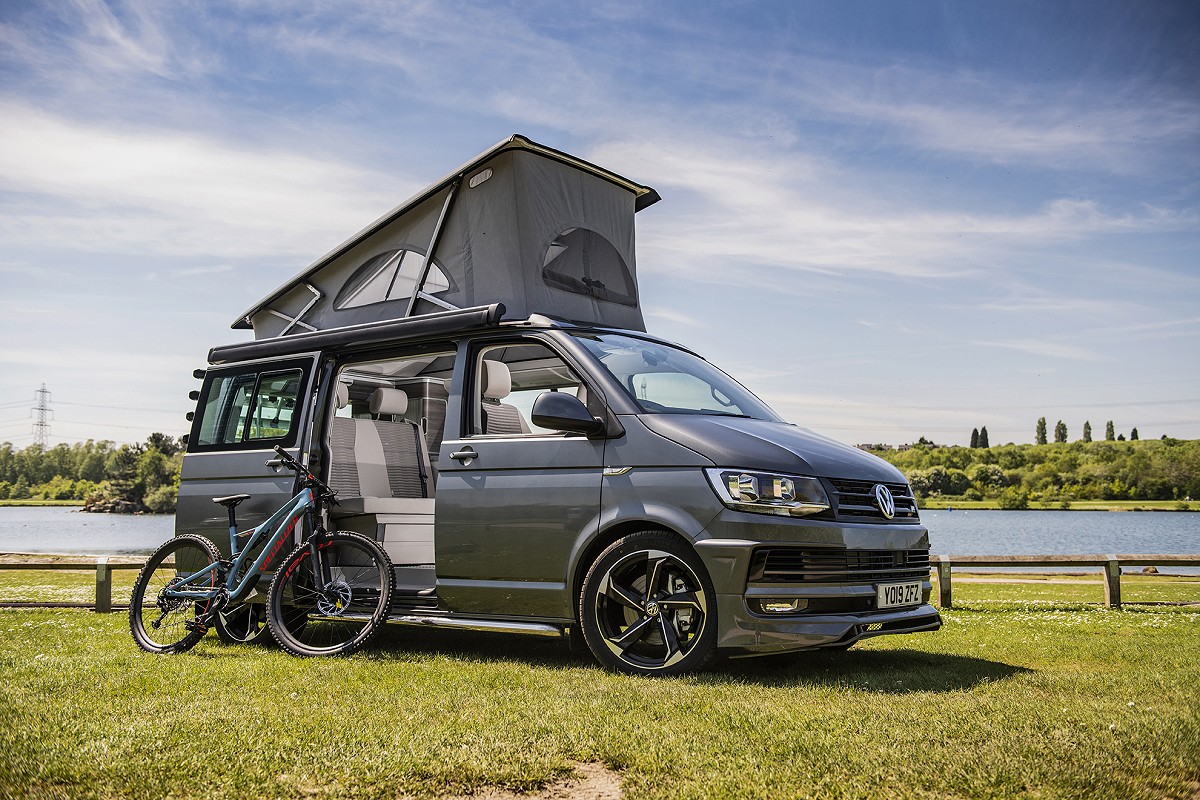
Are you dreaming of hitting the road in a camper van? Whether you want to explore new places, enjoy nature, or live a more minimalist lifestyle, a camper van can offer you many advantages. But how do you choose the right camper van for your needs? There are so many options available, from DIY conversions to luxury models, that it can be overwhelming to decide. That’s why we created this course to help you find the perfect camper van for you. In this course, you will learn:
- What is a camper van and what are the different types of camper vans
- The benefits of owning a camper van and who should buy one
- How to consider your needs and budget when looking for a camper van
- How to research camper vans for sale and what to look for when inspecting them
- How to finance a camper van and negotiate the best interest rate
- How to maintain your camper van and keep it in good condition
By the end of this course, you will have a clear idea of what kind of camper van suits your lifestyle and budget. You will also have the skills and knowledge to find, buy, and maintain your camper van. So, let’s get started!
Introduction to Camper Vans
What is a camper van? A camper van is a vehicle that has been modified or designed to provide living space and amenities for traveling and camping. Camper vans are also known as motorhomes, RVs, or caravans in different parts of the world. Camper vans vary in size, shape, and features, but they usually have some basic elements such as:
- A bed or sleeping area
- A kitchen or cooking area
- A bathroom or toilet
- A seating or dining area
- A storage or cargo area
Some camper vans may also have additional features such as:
- A solar panel or generator for electricity
- A heater or air conditioner for climate control
- A fridge or freezer for food storage
- A shower or sink for water supply
- A TV or stereo for entertainment
The different types of camper vans. There are many types of camper vans available, depending on your preferences and needs. Some of the most common types are:
- Class B. These are the smallest and most basic type of camper vans. They are usually based on a standard van chassis and have minimal modifications. They are easy to drive and park, but they have limited space and amenities. They are ideal for solo travelers or couples who want a simple and affordable option.
- Class C. These are larger and more comfortable than class B camper vans. They are usually based on a truck or bus chassis and have a cab-over section that extends over the driver’s seat. They have more space and amenities than class B camper vans, but they are also more expensive and harder to maneuver. They are ideal for families or groups who want more room and comfort.
- Class A. These are the largest and most luxurious type of camper vans. They are usually custom-built on a specially designed chassis and have a bus-like appearance. They have the most space and amenities than any other type of camper vans, but they are also the most expensive and difficult to drive. They are ideal for people who want to live full-time in their camper van or travel in style.
- Conversion. These are camper vans that have been converted from other vehicles such as cargo vans, school buses, ambulances, or even boats. They have unique designs and features that reflect the personality and creativity of their owners. They can range from simple and cheap to elaborate and costly, depending on the level of modification. They are ideal for people who want to customize their camper van according to their needs and tastes.
The benefits of owning a camper van. There are many benefits of owning a camper van, such as:
- Freedom. You can go wherever you want, whenever you want, without worrying about booking flights, hotels, or tours. You can also change your plans anytime according to your mood or the weather.
- Adventure. You can explore new places, meet new people, and try new things that you wouldn’t otherwise experience in a conventional vacation.
- Nature. You can enjoy the beauty and tranquility of nature by camping in scenic locations such as national parks, forests, lakes, or beaches.
- Savings. You can save money by avoiding expensive travel costs such as airfare, accommodation, food, or entertainment.
- Simplicity. You can live a more minimalist lifestyle by reducing your possessions, expenses, and stress.
Who should buy a camper van? Anyone who loves traveling, camping, or living on the road should consider buying a camper van. However, owning a camper van is not for everyone. It requires a lot of commitment, responsibility, and adaptation. You should buy a camper van only if you are:
- Flexible. You can cope with unexpected situations such as breakdowns, bad weather, or traffic jams.
- Resourceful. You can find solutions to problems such as finding a place to park, refill, or dump your camper van.
- Independent. You can take care of yourself and your camper van without relying on others for help or support.
- Curious. You can appreciate the diversity and richness of different cultures, landscapes, and lifestyles.
Considering Your Needs and Budget
How much money can you afford to spend on a camper van? One of the most important factors to consider when choosing a camper van is your budget. The price of a camper van depends on many factors such as:
- The type and size of the camper van
- The age and condition of the camper van
- The features and amenities of the camper van
- The location and availability of the camper van
The price of a camper van can range from a few thousand dollars to hundreds of thousands of dollars, depending on these factors. For example, a new class A camper van can cost over $200,000, while a used class B camper van can cost less than $10,000. A conversion camper van can cost anywhere from $5,000 to $50,000, depending on the quality and extent of the conversion.
Before you start looking for a camper van for sale, you should determine how much money you can afford to spend on it. You should consider not only the initial purchase price, but also the ongoing costs of owning a camper van, such as:
- Fuel
- Insurance
- Registration
- Maintenance
- Repairs
- Parking
- Camping fees
You should also factor in your income and expenses, as well as your savings and debts. You should have a realistic and sustainable budget that allows you to enjoy your camper van without compromising your financial security.
What features are important to you? Another factor to consider when choosing a camper van is your personal preferences and needs. You should think about what features are important to you in a camper van, such as:
- Bed size. How big do you want your bed to be? Do you prefer a fixed or convertible bed? Do you need extra sleeping space for guests or children?
- Kitchen amenities. How often do you plan to cook in your camper van? Do you need a stove, oven, microwave, fridge, freezer, sink, or dishwasher?
- Bathroom facilities. How comfortable are you with using public restrooms or showers? Do you need a toilet, shower, sink, or bathtub in your camper van?
- Storage space. How much stuff do you have or need to bring with you? Do you need cabinets, drawers, closets, or racks in your camper van?
- Seating or dining area. How many people do you want to accommodate in your camper van? Do you need a sofa, table, chairs, or bench in your camper van?
- Electricity or water supply. How long do you plan to stay off-grid in your camper van? Do you need a solar panel, generator, battery, or inverter for electricity? Do you need a water tank, pump, filter, or heater for water?
- Climate control. How hot or cold do you get in your camper van? Do you need a heater, air conditioner, fan, or window for climate control?
- Entertainment. How much do you value entertainment in your camper van? Do you need a TV, stereo, DVD player, game console, or internet access in your camper van?
You should prioritize the features that are essential for your comfort and convenience in your camper van. You should also be willing to compromise on some features that are less important or that can be added later.
How many people will be using the camper van? Another factor to consider when choosing a camper van is the number of people who will be using it. You should think about how many people will be traveling with you in your camper van regularly or occasionally.
The number of people who will be using the camper van affects the size and layout of the camper van. For example,
- If you are traveling alone or with one partner, you may prefer a smaller and simpler camper van that is easier to drive and park.
- If you are traveling with more than two people regularly (such as family members or friends), you may prefer a larger and more spacious camper van that can accommodate more sleeping and seating areas.
- If you are traveling with more than two people occasionally (such as guests or children), you may prefer a medium-sized and flexible camper van that can convert some areas into extra sleeping or seating spaces.
You should also consider the personality and preferences of the people who will be using the camper van. For example,
- If you are traveling with someone who likes privacy and quietness (such as an introvert), you may prefer a camper van that has separate rooms or partitions for different areas. If you are traveling with someone who likes socializing and entertainment (such as an extrovert), you may prefer a camper van that has a large and open living area with a TV, stereo, or internet access.
You should choose a camper van that can meet the needs and expectations of the people who will be using it. You should also communicate and compromise with them to ensure a harmonious and enjoyable camper van experience.
What kind of activities do you plan on doing with your camper van? Another factor to consider when choosing a camper van is the kind of activities you plan on doing with it. You should think about what kind of places you want to visit, how long you want to stay, and what kind of challenges you may encounter.
The kind of activities you plan on doing with your camper van affects the performance and durability of the camper van. For example,
- If you plan to visit urban areas, you may prefer a smaller and more agile camper van that can fit in tight spaces and traffic.
- If you plan to visit rural areas, you may prefer a larger and more robust camper van that can handle rough roads and terrain.
- If you plan to visit remote areas, you may prefer a self-contained and off-grid camper van that can provide electricity and water without external sources.
You should also consider the season and weather conditions of the places you want to visit. For example,
- If you plan to visit cold areas, you may prefer a well-insulated and heated camper van that can keep you warm and prevent freezing.
- If you plan to visit hot areas, you may prefer a well-ventilated and air-conditioned camper van that can keep you cool and prevent overheating.
- If you plan to visit rainy areas, you may prefer a water-resistant and leak-proof camper van that can keep you dry and prevent flooding.
You should choose a camper van that can match the activities you plan on doing with it. You should also prepare and equip your camper van accordingly to ensure a safe and comfortable camper van adventure.
Researching Camper Vans
Where to find camper vans for sale. Once you have decided on your budget, preferences, and needs, you can start looking for camper vans for sale. There are many sources where you can find camper vans for sale, such as:
- Online platforms. You can browse various websites, apps, or social media groups that list camper vans for sale by owners or dealers. You can filter your search by price, location, type, size, features, or condition. You can also compare different options, read reviews, or contact sellers directly. Some examples of online platforms are:
- [RV Trader]. This is one of the largest online marketplaces for new and used RVs in the US. You can find thousands of listings from private sellers and dealers across the country.
- [Camper Van Life]. This is a website dedicated to all things related to camper vans. You can find guides, tips, stories, forums, and classifieds for buying and selling camper vans worldwide.
- [Van Clan]. This is a social media community for van life enthusiasts. You can find inspiration, advice, news, events, and deals for camper vans on their website, Facebook group, Instagram page, or YouTube channel.
- Offline sources. You can also look for camper vans for sale in person or through word-of-mouth. You can visit local RV dealerships, shows, or auctions where you can see and inspect different models of camper vans. You can also ask around your friends, family, neighbors, or coworkers who may have or know someone who has a camper van for sale.
How to read camper van reviews. When researching camper vans for sale online or offline, it is important to read reviews from previous owners or experts who have used or tested the camper vans. Reviews can provide valuable information about the quality, performance, reliability, comfort, convenience, or satisfaction of the camper vans. However, not all reviews are trustworthy or helpful. You should be careful when reading reviews and look for:
- Relevance. You should look for reviews that are relevant to your needs and preferences. For example, If you are looking for a class B camper van, you should look for reviews that focus on class B camper vans rather than other types of RVs.
- If you are looking for a new camper van, you should look for reviews that are recent rather than outdated.
- If you are looking for a specific feature in your camper van (such as a shower), you should look for reviews that mention that feature rather than those that do not.
- Credibility. You should look for reviews that are credible and reliable. For example,,
- If you are looking for reviews from owners, you should look for reviews that are verified by the platform or provide proof of ownership (such as photos or videos) rather than those that are anonymous or suspicious.
- If you are looking for reviews from experts, you should look for reviews that are from reputable sources or publications (such as magazines, websites, or blogs) rather than those that are from unknown or biased sources.
- Balance. You should look for reviews that are balanced and fair. For example, If you are looking for positive reviews, you should also look for negative reviews to get a complete picture of the pros and cons of the camper vans.
- If you are looking for negative reviews, you should also look for positive reviews to see if there are any redeeming qualities or solutions to the problems of the camper vans.
- If you are looking for neutral reviews, you should look for reviews that provide both positive and negative aspects of the camper vans without exaggerating or minimizing them.
You should read multiple reviews from different sources and perspectives to get a comprehensive and objective view of the camper vans. You should also use your own judgment and common sense to evaluate the credibility, relevance, and balance of the reviews.
What to look for when inspecting a camper van. When you have found a camper van that meets your criteria and budget, you should inspect it in person before buying it. Inspecting a camper van can help you verify its condition, functionality, and value. You should look for:
- Exterior. You should check the exterior of the camper van for any signs of damage, rust, leaks, cracks, dents, scratches, or paint issues. You should also check the tires, wheels, brakes, lights, mirrors, windows, doors, locks, awnings, ladders, or hitches for any defects or wear and tear. You should also test drive the camper van to see how it handles on the road and how it performs in terms of speed, acceleration, steering, braking, suspension, noise, or vibration.
- Interior. You should check the interior of the camper van for any signs of damage, mold, stains, odors, leaks, cracks, tears, or holes. You should also check the bed, sofa, table, chairs, cabinets, drawers, closets, or racks for any broken or missing parts or pieces. You should also test the kitchen appliances (such as stove, oven, microwave), bathroom facilities (such as toilet, shower), electrical systems (such as lights, outlets), water systems (such as faucets), heating and cooling systems (such as heater, air conditioner), or entertainment systems (such as TV, stereo) for any malfunctions or issues. You should also check the cleanliness and hygiene of the camper van and see if it needs any cleaning or sanitizing.
- You should inspect the camper van thoroughly and carefully, and ask the seller any questions you may have about its history, maintenance, or warranty. You should also take pictures or videos of the camper van as evidence of its condition and value. You should also bring a mechanic or an expert with you if possible to help you inspect the camper van more professionally and accurately.
Financing a Camper Van
Different types of camper van loans. After you have inspected and chosen a camper van that you want to buy, you need to figure out how to pay for it. Unless you have enough cash to buy the camper van outright, you will need to get a loan to finance your purchase. There are different types of loans that you can apply for, depending on your situation and preferences. Some of the most common types are:
- Personal loan. This is a type of loan that you can use for any personal purpose, including buying a camper van. You can get a personal loan from a bank, credit union, online lender, or peer-to-peer platform. The advantages of a personal loan are that it is flexible, easy to apply for, and does not require collateral. The disadvantages are that it may have higher interest rates, shorter repayment terms, and stricter credit requirements than other types of loans.
- RV loan. This is a type of loan that is specifically designed for buying recreational vehicles, such as camper vans. You can get an RV loan from a bank, credit union, online lender, or RV dealer. The advantages of an RV loan are that it may have lower interest rates, longer repayment terms, and more lenient credit requirements than a personal loan. The disadvantages are that it may require collateral, such as the camper van itself, and that it may have more fees and restrictions than a personal loan.
- Home equity loan. This is a type of loan that allows you to borrow against the equity of your home, which is the difference between the value of your home and the amount you owe on your mortgage. You can get a home equity loan from a bank, credit union, or online lender. The advantages of a home equity loan are that it may have lower interest rates and longer repayment terms than a personal loan or an RV loan. The disadvantages are that it requires collateral, such as your home, and that it may put your home at risk if you fail to repay the loan.
How to qualify for a camper van loan. To qualify for a camper van loan, you will need to meet certain criteria and provide certain documents to the lender. The criteria and documents may vary depending on the type of loan and the lender, but some of the most common ones are:
- Credit score. This is a numerical representation of your credit history and creditworthiness. It ranges from 300 to 850, with higher scores indicating better credit. Your credit score affects your chances of getting approved for a loan and the interest rate you will be offered. Generally, you will need a credit score of at least 600 to qualify for a personal loan or an RV loan, and at least 620 to qualify for a home equity loan.
- Income. This is the amount of money you earn from your job or other sources on a regular basis. Your income affects your ability to repay the loan and the amount you can borrow. Generally, you will need to have a stable and sufficient income that covers your monthly expenses and debt payments, as well as the monthly payments for the camper van loan.
- Debt-to-income ratio. This is the percentage of your monthly income that goes toward paying your debts, such as mortgages, car loans, credit cards, or student loans. Your debt-to-income ratio affects your financial health and risk level as a borrower. Generally, you will need to have a debt-to-income ratio of less than 50% to qualify for a camper van loan.
- Down payment. This is the amount of money you pay upfront when buying a camper van. Your down payment affects your loan-to-value ratio, which is the percentage of the camper van’s value that you borrow from the lender. Generally, you will need to have a down payment of at least 10% to 20% of the camper van’s price to qualify for a camper van loan.
- Proof of identity. This is a document that verifies your identity and legal status in the country where you are applying for the loan. You will need to provide a valid driver’s license, passport, or other government-issued ID to the lender.
- Proof of income. This is a document that verifies your income and employment status. You will need to provide pay stubs, You will need to provide pay stubs, tax returns, bank statements, or other proof of income to the lender.
- Proof of insurance. This is a document that verifies that you have adequate insurance coverage for your camper van. You will need to provide an insurance policy, declaration page, or proof of payment to the lender.
You should prepare and gather these documents before applying for a camper van loan to speed up the process and increase your chances of getting approved.
How to negotiate the best interest rate on a camper van loan. The interest rate is the percentage of the loan amount that you pay to the lender as a fee for borrowing money. The interest rate affects the total cost of your camper van loan and the amount of your monthly payments. The lower the interest rate, the less you pay in interest and the more you save in the long run. Therefore, you should try to negotiate the best interest rate possible on your camper van loan. Here are some tips on how to do that:
- Shop around. You should compare different lenders and their offers before settling for one. You can use online tools, such as [RV Loan Calculator], to estimate how much you can borrow, how much you will pay in interest, and how long it will take you to repay the loan based on different interest rates. You can also use online platforms, such as [LendingTree] or [Bankrate], to get multiple quotes from different lenders and see which one offers you the best deal.
- Improve your credit. You should improve your credit score and history before applying for a camper van loan. You can do this by paying your bills on time, reducing your debt, correcting any errors on your credit report, or using a credit builder loan or card. A higher credit score and a better credit history can help you qualify for a lower interest rate and save money on your camper van loan.
- Make a large down payment. You should make a large down payment when buying a camper van. A large down payment can reduce your loan-to-value ratio, which is the percentage of the camper van’s value that you borrow from the lender. A lower loan-to-value ratio can help you get a lower interest rate and save money on your camper van loan.
- Shorten your loan term. You should shorten your loan term when borrowing money for a camper van. A shorter loan term means that you will pay off your loan faster and pay less interest overall. However, a shorter loan term also means that you will have higher monthly payments, so you should make sure that you can afford them.
- Ask for discounts. You should ask for discounts or incentives from the lender when applying for a camper van loan. Some lenders may offer discounts or incentives if you meet certain criteria or conditions, such as:
- Having a good relationship with the lender
- Having an existing account with the lender
- Having a good driving record
- Buying a new or certified pre-owned camper van
- Buying from an affiliated dealer
- Enrolling in automatic payments
- Refinancing an existing loan
You should ask the lender what discounts or incentives they offer and how you can qualify for them.
You should negotiate the best interest rate possible on your camper van loan by following these tips and using your leverage as a buyer. You should also be prepared to walk away if you are not satisfied with the offer or if you find a better deal elsewhere.
Camper Van Maintenance
How to keep your camper van in good condition. After you have bought your camper van and started using it, you need to keep it in good condition to ensure its safety, performance, and longevity. Keeping your camper van in good condition can also help you avoid costly repairs and breakdowns in the future. Here are some tips on how to keep your camper van in good condition:
- Follow the manufacturer’s recommendations. You should follow the manufacturer’s recommendations for servicing and maintaining your camper van. You can find these recommendations in the owner’s manual or online. You should also keep records of all the service and maintenance work done on your camper van.
- Check the fluids. You should check the fluids in your camper van regularly and top them up or change them as needed. The fluids include oil, coolant, brake fluid, transmission fluid, power steering fluid, windshield washer fluid, and propane gas. You should also check for any leaks or signs of contamination in the fluids.
- Check the tires. You should check the tires in your camper van regularly and inflate them to the proper pressure level according to the manufacturer’s specifications. You should also check for any wear, tear, cracks, bulges, or punctures in the tires and replace them if necessary.
- Check the batteries. You should check the batteries in your camper van regularly and charge them fully before using them. You should also check for any corrosion, damage, or loose connections in the batteries and clean or tighten them if necessary.
- Check the appliances. You should check the appliances in your camper van regularly and make sure they are working properly and safely. The appliances include the stove, oven, microwave, fridge, freezer, heater, air conditioner, water heater, water pump, and generator. You should also clean and sanitize the appliances regularly to prevent mold, bacteria, or odors from building up.
- Check the systems. You should check the systems in your camper van regularly and make sure they are functioning properly and safely. The systems include the electrical system, the water system, the heating and cooling system, the entertainment system, and the security system. You should also check for any faults, errors, or warnings in the systems and fix them if necessary.
You should keep your camper van in good condition by following these tips and performing regular inspections and maintenance on your camper van. You should also seek professional help if you encounter any problems or issues that you cannot handle yourself.
What to do if something breaks on your camper van. Even if you keep your camper van in good condition, you may still experience some problems or issues with your camper van from time to time. These problems or issues may be minor or major, depending on their nature and severity. Here are some tips on what to do if something breaks on your camper van:
- Identify the problem. You should try to identify the problem as soon as possible and determine its cause and effect. You can use the owner’s manual, online resources, or diagnostic tools to help you identify the problem. You should also assess the urgency and importance of the problem and decide whether you need to fix it immediately or later.
- Fix the problem. You should try to fix the problem yourself if you have the skills, tools, and materials to do so. You can use the owner’s manual, online resources, or instructional videos to guide you through the process. You should also follow safety precautions and wear protective gear when fixing the problem. However, if you do not have the skills, tools, or materials to fix the problem yourself, or if the problem is too complex or dangerous to handle yourself, you should seek professional help from a mechanic or a technician.
- Prevent the problem. You should try to prevent the problem from happening again in the future by taking preventive measures and making improvements. You can use the owner’s manual, online resources, or expert advice to help you prevent the problem. You should also learn from your experience and avoid making the same mistakes or errors that caused the problem.
You should follow these tips and act accordingly if something breaks on your camper van. You should also be prepared for any emergencies or contingencies that may arise from your camper van problems.
Conclusion
Summary of key points. In this course, you have learned how to choose the right camper van for your needs. You have learned:
- What is a camper van and what are the different types of camper vans
- The benefits of owning a camper van and who should buy one
- How to consider your needs and budget when looking for a camper van
- How to research camper vans for sale and what to look for when inspecting them
- How to finance a camper van and negotiate the best interest rate
- How to maintain your camper van and keep it in good condition
- What to do if something breaks on your camper van
By following these steps and tips, you can find, buy, and enjoy your perfect camper van.


